


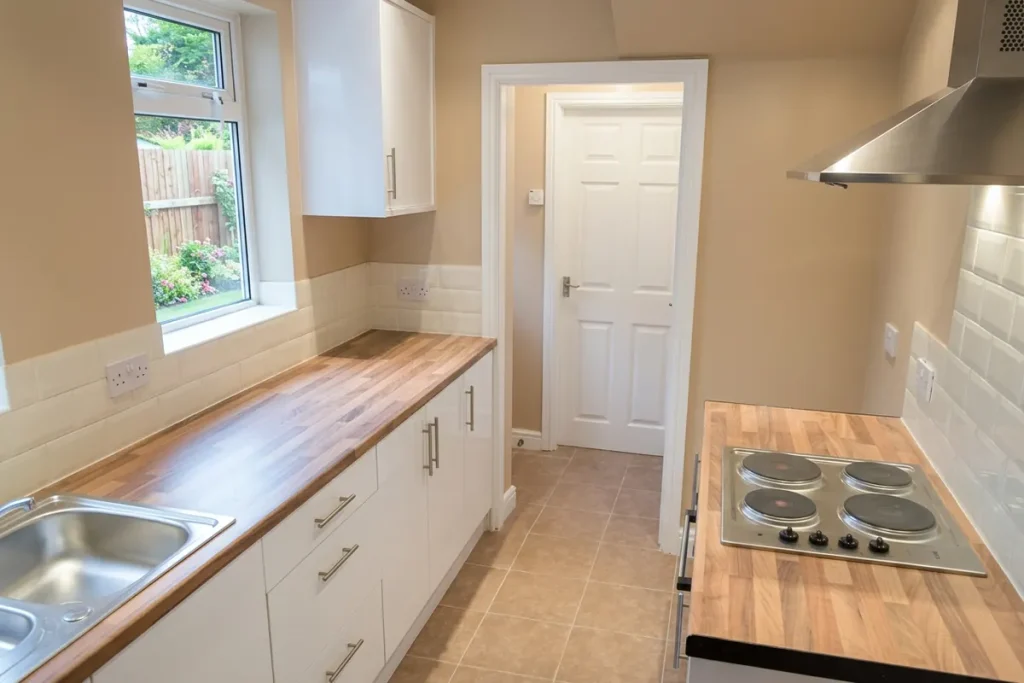
Misaligned kitchen tiles might seem like a small issue at first, but they can quickly draw the eye for all the wrong reasons. When lines don’t match up, entire areas of your kitchen can look uneven or rushed, no matter how tidy or modern the rest of the space is. Over time, those tiny gaps or crooked angles can also turn into more serious problems like chipped edges, uneven flooring, or water seeping beneath the surface. For homeowners in Birmingham looking to keep their kitchens both practical and attractive, sorting out misplaced tiles is more than a cosmetic fix.
With autumn just around the corner, many homeowners use this time to assess indoor repairs before winter sets in. It’s a smart season to deal with anything that could cause long-term wear, and tiled kitchen floors or splashbacks should be near the top of the list. Addressing tile issues early can save time and inconvenience down the line, especially if you’re planning a wider kitchen overhaul. Getting them sorted now means you’re less likely to face problems when it starts getting colder or wetter outside.
Causes Of Misaligned Kitchen Tiles
Tiles can end up off-centre or uneven for several different reasons. Some are linked to how they were first installed, while others stem from natural shifts in your home over time. Here are some of the most common culprits behind misaligned kitchen tiles in Birmingham properties:
– Poor installation: Uneven spacing, incorrect use of adhesive, or lack of proper tile levelling can lead to tiles drifting out of line
– Movement in the building: As houses settle, floors and walls can shift slightly. Even small changes can affect tile alignment
– Subfloor problems: If the surface under the tiles isn’t level or stable, you’ll likely see tiles lifting or becoming uneven
– Wear and tear: Daily use, dropped items, or dragging heavy appliances may weaken tile bonds or loosen grout, slowly nudging tiles out of place
– Low-quality materials: Cheaper tiles or adhesive may not hold up well under continued use or cleaning, which leads to gaps appearing or tiles lifting away
It’s always good to figure out what’s caused the issue, especially if you plan to fix it properly. Just replacing the tiles without understanding the root cause might lead to the same problem creeping back.
DIY Vs Professional Help
When misaligned tiles catch your eye every time you enter the kitchen, it can be tempting to try and fix them yourself. Removing and re-laying a few tiles might seem like a quick job. But it rarely works out that way. There’s more to it than just pulling them up and pressing new ones down.
Here’s why handling misaligned tiles yourself can be harder than expected:
– Matching the existing design or colour can be tricky
– You may damage surrounding tiles while removing the wonky ones
– Improper grouting or spacing makes the new tiles more noticeable, not less
– If the issue is structural, you’ll waste time fixing just the surface
This is where calling in a professional team pays off. A proper assessment of the kitchen layout, original tile work, and underlying condition of floors or walls means you’re avoiding a patchy fix. Experienced tradespeople who offer kitchen remodeling in Birmingham will know how to tackle everything from individual tile replacements to full-area corrections. That way, the repair blends in smoothly and stands up to daily use.
Step-By-Step Guide To Fixing Misaligned Tiles
Once you’ve decided to move forward with fixing your kitchen tiles, the next step is understanding how the process works. Whether you’re replacing just a few or tackling a larger patch, there’s a proper order to follow so that the results blend in and stay durable.
Here’s a general idea of how professionals manage the repair:
1. Gather the right tools and materials
Before any work starts, professionals check the tile type, grout colour, and adhesive. They make sure the replacements match and all the tools are ready. This includes tile spacers, a notched trowel, grout float, tile cutter, spirit level, and appropriate sealant
2. Prepare and protect the area
The worksite needs a clean surface. That means removing any loose grout, wiping down the affected area, and covering nearby surfaces or furnishings. This keeps dust and fragments from spreading
3. Remove the misaligned tiles
Carefully lifting the damaged or misaligned tiles helps avoid cracking the ones next to them. Specialists use an oscillating multi-tool or chisel to lift tiles while protecting the base beneath
4. Re-set tiles and adjust spacing
Once the area is clear, new adhesive is applied evenly. Each replacement tile is lined up to maintain the spacing and pattern of the rest of the room. A level ensures everything stays straight
5. Grouting and sealing
After the adhesive dries, fresh grout fills the joints. Once it cures, a final seal helps prevent moisture from seeping in. This last step is key in kitchens where things easily get wet or greasy
Fixing the problem properly doesn’t just make a kitchen look new again, it also keeps the surface strong and safe to walk on. A tidy job avoids future hassle and lets the layout speak for itself.
Preventing Future Tile Alignment Problems
To avoid having to fix tiles all over again down the line, it helps to make the right choices early on. Even if the current job is a repair, thinking long-term during a kitchen update will save headaches.
Here’s what makes the biggest difference:
– Pick high-quality materials
Better grade tiles and adhesives are made to handle foot traffic, spills, temperature changes, and cleaning products. They hold their place and keep their shape longer
– Use experienced fitters
A well-laid tile surface rarely has alignment issues down the road. Skilled professionals check the subfloor, measure carefully, and plan layouts to avoid small gaps or uneven cuts
– Don’t ignore the foundation
The base under your tiles should be flat, dry, and stable. If it’s uneven or has movement, no amount of perfect tiling will keep the surface aligned in the long run
– Schedule regular checks
Over time, grout can fade or shift, and sealants wear away. During regular cleaning, keep an eye out for cracks along the edges or hearing hollow sounds when tapping tiles. Early fixes are much easier than complete rework
One homeowner in Birmingham told us the tiles around their island had started drifting just a year after they had reworked everything. Turns out, their subfloor had a soft spot they didn’t know about. Once that was sorted and tiles properly relaid, they didn’t see another problem. That type of follow-through solves the issue at the root instead of just the surface.
Making Your Kitchen Shine Again
A kitchen should feel like a place that works well and looks clean from top to bottom. When tiles are aligned and the layout flows, you can see and feel the difference. Even though misaligned tiles may seem like nothing more than an eyesore, they affect use over time and can lead to bigger issues if left alone.
Making sure your kitchen tiles are correctly placed isn’t about perfectionism. It’s about keeping the space safe, practical, and enjoyable. Whether your goal is to make a small tweak or update the whole room, getting the details right always pays off. Especially in homes around Birmingham, where layouts can vary so much from house to house, a neat tile fit brings the whole look together.
When you’re looking for a reliable solution, count on a team that understands both design and durability. Apple Solutions Ltd offers expert services to ensure every tile is laid with precision and your space works the way you need it to. Learn more about our approach to kitchen remodeling in Birmingham and how we can help bring your vision to life.