


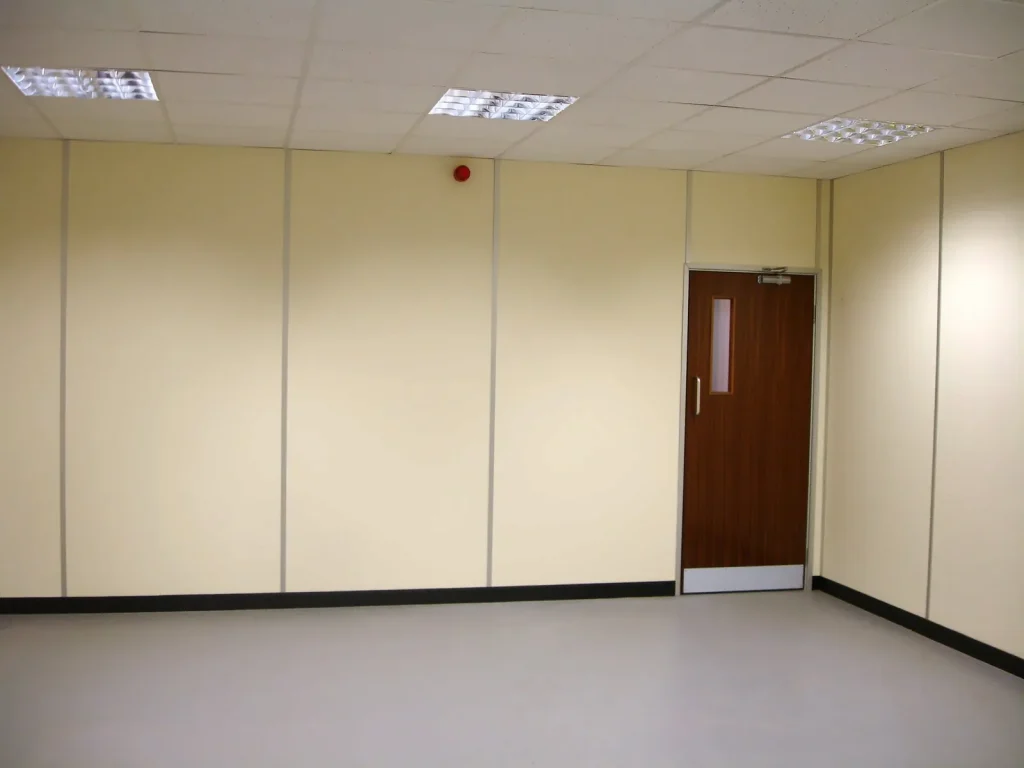
It’s not unusual for businesses to run into unexpected acoustic problems after an office update. Whether it’s a full-scale refurbishment or a smaller interior refresh, changes to layout, materials or design can throw off the sound balance in ways that weren’t planned for. A space that once felt calm and controlled might suddenly become noisy, echoey or just an uncomfortable place to concentrate.
Good acoustics make a big difference. They impact how clearly teams communicate, how easy it is to focus and how clients and visitors feel when they step into your space. Poor sound quality isn’t just a minor annoyance. It can disrupt meetings, affect productivity and make people avoid certain areas altogether. If your freshly refurbished office in Birmingham feels louder than it should, it’s worth exploring what went wrong and how expert office refurbishment services can fix it.
Common Causes Of Poor Office Acoustics After Refurbishment
It’s easy to assume that a modern refurbishment will make things better across the board. But sound doesn’t always get considered in the design phase. In fact, plenty of popular design trends actually make noise issues worse.
1. New Materials
Materials like glass, metal and polished concrete are stylish and easy to clean, which makes them popular in office design. The trouble is, they reflect sound instead of absorbing it. That reflection increases echo and adds to background noise, especially in busy areas.
2. Open-Plan Layouts
Open-plan offices encourage team interaction but removing partitions also removes the barriers that help contain sound. Conversations, phone calls and other everyday noises now travel further, and without enough acoustic control, the noise can become overwhelming.
3. Hard Flooring
While swapping out carpets for hardwood or tiles can brighten up a space, those surfaces don’t absorb sound the way carpet does. Footsteps, sliding chairs and rolling trolleys all seem louder, adding to the constant buzz.
4. Minimal Wall Coverings
Decor trends often favour clean, minimal walls. But bare walls offer no help when it comes to managing sound. Without soft artwork, wall panels or acoustic treatments, noise bounces around freely.
Here’s a real-world example. A company in Birmingham recently refurbished their office with lots of sleek surfaces and an open meeting zone. While it looked impressive, staff quickly noticed the noise. Conversations travelled from one side of the office to the other, which made focused work difficult. They had to reassess their design choices to make the space usable again.
Identifying Acoustic Issues Early
Problems with acoustics don’t always show up the moment the renovation is complete. Sometimes, it takes a return to normal operations before the impact is felt. That’s why it’s useful to keep an ear out for early signs and act quickly before things get worse.
Here are some things to watch for:
– Persistent echo
If rooms feel like they echo more than they used to or phone calls sound hollow, sound may be bouncing unchecked through the space.
– Noise complaints from staff
When team members mention they’re struggling to focus or can’t hear clients properly on video calls, acoustics could be the issue.
– Raised voice levels
When people start speaking louder just to be heard, it’s another clue. Meetings might start to feel chaotic, even when the number of people hasn’t changed.
– Increased use of headphones
If employees are turning to noise-cancelling headphones more often, they might be trying to manage background noise themselves.
– Avoided spaces
When desks or areas of the office go unused because they’re too noisy, that’s a pretty clear signal that something isn’t working.
The sooner you spot these signs, the easier the fix. Waiting too long can mean more disruption as changes are made later down the line. Catching the problem early gives you space to plan calmly and bring in the right team to turn things around.
Solutions Offered By Office Refurbishment Services
Fixing poor acoustics doesn’t always mean a full redesign. With careful planning, you can make targeted changes that improve overall sound without undoing your refurbishment. A proper acoustic assessment comes first. That means looking at how each space is used, how teams move through the office and where sound is building up or being passed along.
Next comes action. Several practical solutions can help tackle acoustic trouble spots:
– Acoustic ceiling tiles
These are often soft or perforated panels placed within the ceiling grid. They absorb overhead sound and work well in larger rooms or open-office setups.
– Wall panels
Soft or padded wall panels in key places — behind desks or in meeting pods — absorb sound and improve speech clarity.
– Furniture with soft finishes
Upholstered seating, acoustic booths and higher-backed chairs all help absorb noise rather than echo it back.
– Acoustic partitions
Adding low or full-height partitions between desks or meeting areas can reduce sound travel while still keeping the space open and flexible.
There are lots of small touches that make a measurable difference too:
– Hang fabric curtains instead of blinds in meeting spaces
– Add rugs or soft runners to walkways to reduce footsteps
– Use shelving or plants to break up large open areas and block sound pathways
– Replace drawers or chairs that squeak or bang with quieter options
– Mount acoustic baffles in high-ceilinged rooms to soak up echo
After installing these kinds of features, it’s worth carrying out regular checks. Settings change over time. Teams grow, new tech arrives or the layout is adjusted. Even the best acoustic plan can fall behind if no one keeps an eye on things. A check-up every couple of years helps keep sound under control and the workspace performing well.
The Long-Term Impact Of Better Acoustics
When an office is designed with sound in mind, everything works more smoothly. Background noise isn’t something you have to fight against. It becomes easier for teams to talk, listen and focus without disruption.
Improved acoustics also reduce fatigue. Nobody enjoys a day spent straining to hear or trying to block out everything around them. When noise levels are better balanced, concentration goes up. People are more productive and feel less drained by the end of the day.
Clients and visitors notice good acoustics too. They may not say anything, but a quiet, professional atmosphere sends the message that your business is well organised and considerate. It tells them that the details matter. If visitors have to shout to be heard or can overhear private meetings from across the room, that trust quickly fades.
Acoustic improvements also support flexible working. If your office includes shared zones, call booths or drop-in desks, each one needs the right sound setup to do its job well. Teams are more likely to use every zone confidently when they don’t have to worry about noise.
Make the Space Work For You
Taking on poor acoustics after a refurbishment might feel like one task too many, especially if everything else is running fine. But leaving sound issues alone usually makes them worse. Discomfort builds slowly until it becomes something staff just put up with. Fixing that means visitors get a better experience, employees stay focused and the whole office becomes more practical.
Refitting or adjusting acoustic features isn’t about starting from scratch. It’s putting the finishing touches on the space to make it work right. When your Birmingham office looks smart and sounds right, that’s when it starts delivering its best.
If your updated office looks great but still doesn’t sound right, it might be time to rethink the layout. Our office refurbishment services are designed to help Birmingham businesses reduce noise and improve comfort without starting from scratch. At Apple Solutions Ltd, we tailor every project to the way your team actually works.