


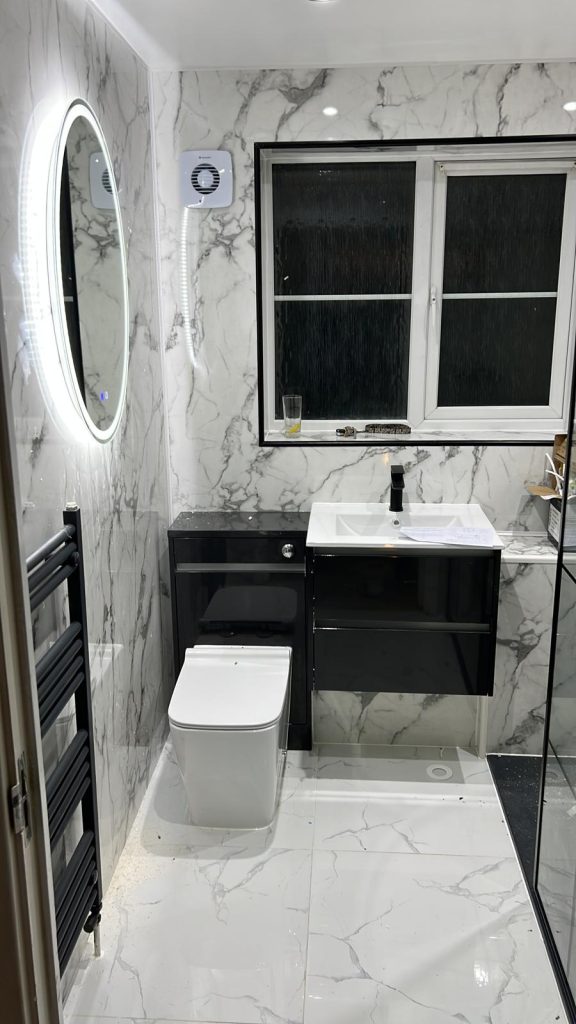
Mould is more than just a little annoyance during home refurbishments; it’s a potential health risk and can ruin the hard work put into your home project. But with the right approach, keeping your home mould-free during refurbishments isn’t too hard. Imagine you’re refreshing your living space, excited about the new look and feel, only to encounter unexpected mould patches. By understanding what causes mould and planning accordingly, those nasty surprises can be avoided.
Preventing mould involves more than wiping down surfaces. It requires an understanding of its growth conditions and strategies to eliminate them. This involves planning, choosing the right materials, and implementing ventilation solutions during residential refurbishments. Let’s explore how you can transform your home without giving mould a chance to settle in.
Understand the Causes of Mould
Getting to grips with why mould appears in the first place is the first step in prevention. Mould thrives in damp environments, especially in places with excessive moisture and lack of proper ventilation. If you’ve ever noticed mould in a bathroom corner, it’s likely because showers create a moist atmosphere without enough air circulation to dry it out.
When it comes to refurbishment, these conditions can easily arise. Consider scenarios where walls or structures are altered, exposing them to the elements or making them vulnerable to leaks. Once moisture seeps into the space, mould finds the perfect breeding ground. Without proper ventilation, the problem can quickly escalate, leading to more extensive repairs and potentially impacting health.
To effectively prevent these issues, it’s critical to address moisture sources, ensure adequate ventilation, and plan for these factors during the design phase of your refurbishment project.
Plan Ahead to Reduce Moisture
Effective planning can nip mould problems in the bud. The aim is to reduce moisture exposure right from the beginning. Here are a few practical steps:
1. Select the Right Materials: Opt for moisture-resistant materials in areas prone to dampness. For instance, choosing tiles for the kitchen and bathroom that are specifically designed to withstand the humid environment can be particularly beneficial.
2. Ensure Proper Sealing: When installing structures like windows or doors, make sure they are properly sealed to prevent moisture from seeping into the walls.
3. Think About Landscaping: Be mindful of how your garden or lawn slopes. Make sure water drains away from your home, rather than towards it. This can prevent water accumulation that might penetrate the home’s foundation.
4. Regular Monitoring: Before beginning any refurbishment, check for existing signs of moisture or leaks, and address them immediately. This might include minor repairs to plumbing or roof areas known to have problems.
By planning with these strategies, you can significantly reduce the risk of encountering moisture problems during your refurbishments, thus keeping mould at bay.
Proper preparation and understanding are key to maintaining a mould-free environment during your home refurbishment. Stay ahead of the game to ensure your refurbishment goes smoothly and without unexpected mould problems.
Ensure Proper Ventilation
A house needs to breathe just like we do. Proper ventilation is key to stopping mould from taking hold during refurbishments. Without it, the air can get stale, and moisture levels rise, creating the perfect conditions for mould growth. When considering refurbishment plans, it’s smart to include options that boost air movement throughout the home.
Many people overlook ventilation during home improvements, which is a mistake. Installing vents, extractor fans, or even considering an HVAC system can go a long way in maintaining air quality. Place these in moisture-heavy areas like kitchens and bathrooms to keep air circulating. When air moves freely, it reduces moisture build-up, making it harder for mould to establish itself.
A simple example is fitting an exhaust fan in the bathroom. It quickly pulls humid air out after a shower, replacing it with fresh air. This quick fix can dramatically lower the risk of mould, especially in rooms that frequently get steamy.
Implement Effective Waterproofing Solutions
Waterproofing is your home’s first line of defence against moisture intrusion and subsequent mould problems. This step is particularly important for areas below ground or rooms that frequently deal with water, like basements, bathrooms, or kitchens. Simple waterproofing methods can protect these spaces and prevent any water damage.
When waterproofing, consider the variety of products available that suit different parts of your home. For basements, waterproof membranes can stop water from seeping through walls. Bathrooms benefit from sealants applied around tubs and sinks, where leaks are most likely to occur. Kitchen surfaces should be finished with water-repellent materials to guard against spills or splashes.
It’s worth noting that Birmingham’s climate can be damp, making waterproofing all the more necessary. Investing in these solutions not only preserves the aesthetics of your home but also extends the life of your refurbishment efforts.
Post-Refurbishment Maintenance Tips
Once your home refurbishment is complete, a few simple maintenance tips can keep mould away long-term. Regular checks and small actions can make a big difference. Here’s a quick checklist to consider maintaining that fresh and mould-free home environment:
– Routine Inspections: Look over your home regularly for any signs of moisture or leaks. This can include checking under sinks, near showers, and in basement corners.
– Maintain Vent Systems: Clean out fans and vents to ensure they function efficiently. Dust build-up can reduce airflow, negating the benefits they provide.
– Control Indoor Humidity: Use dehumidifiers during particularly damp seasons to keep moisture levels in check. Keeping a hygrometer in the house can help you monitor humidity levels, making it easier to adjust as needed.
– Quick Fixes for Leaks: Address any minor leaks immediately before they become bigger problems. Whether it’s a dripping tap or a small roof leak, fast intervention can prevent moisture accumulation and subsequent mould growth.
Caring for your home doesn’t end after the refurbishment. A bit of ongoing care ensures that your living spaces remain healthy and enjoyable. By adopting these simple strategies, you can maintain a happy, mould-free home, far after the initial refurbishment is completed.
For those ready to tackle their projects with confidence and keep their home free from moisture issues, professional help is just a click away. If you’re planning residential refurbishments, discover how Apple Solutions Ltd can assist you at every step. Learn more about tailored solutions that ensure a healthy living space with residential refurbishments.