Gaps in wall panels might look like a small problem, but they can cause bigger issues than you’d expect. Draughts may creep in, paint might start to peel, and even your heating bills could go up. These gaps appear in both residential and commercial spaces, which means whether you’re managing a home or a workspace, it’s worth paying attention to them.
In Birmingham, where damp weather and shifting temperatures are common, these problems can appear more frequently. Once the gaps start forming, they can let in moisture, weaken insulation, and create an unfinished look. Knowing what causes them, spotting the early signs, and fixing them quickly can help keep your property sealed, efficient, and looking its best.
Causes of Gaps in Wall Panels
Wall panels can separate or shift for several reasons. It usually comes down to changes in the building itself, the materials used, or how the panels were installed. Some of the most common causes include:
– Improper installation: If panels aren’t fitted correctly from the start, they can begin to loosen or misalign over time. Poor techniques often lead to small but obvious gaps along seams and edges.
– Building movement: All buildings settle eventually. Shifts from weight, soil moisture, or foundational settling can tug at internal walls, which leads to panels pulling apart or seams becoming obvious.
– Temperature and humidity: Birmingham’s changing climate brings warm summers and damp, cold winters. These variations can cause panel materials to expand and contract repeatedly, leading to separation.
– Poor material choice: Not all panels react the same to moisture and temperature. Softer or more porous materials are more likely to warp and shift, especially if they aren’t designed for damp-prone areas.
– Water damage: Leaks or high humidity can cause swelling, rot, or disfiguration around panel edges. Over time, this leads to visible cracks and uneven surfaces.
Keeping an eye out and understanding these common causes can make all the difference. Whether you’re dealing with old walls or a recently finished renovation, knowing what to pin the issue on makes repairs easier and more effective.
Inspection and Identification
Staying one step ahead of wall panel damage often comes down to regular inspection. The earlier you spot a problem, the easier and cheaper it usually is to put right. Here’s what to look out for when checking your walls:
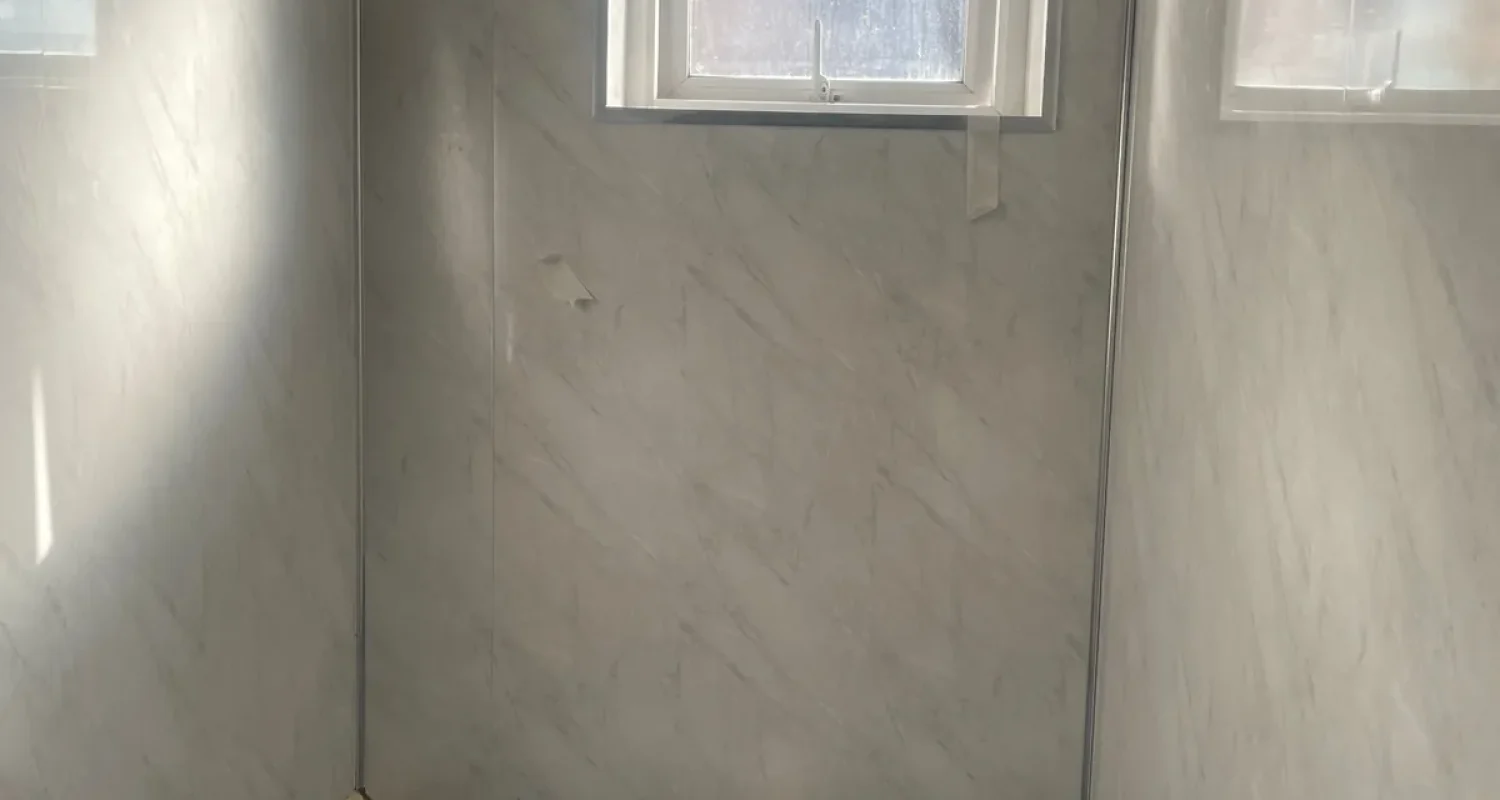
1. Visible lines at the joints – If panels are no longer flush, narrow lines may begin to appear between them. These gaps might look harmless at first but usually widen over time.
2. Small draughts – On a breezy day, place your hand near the wall. If you feel air moving through, even slightly, that’s a sign of a forming gap.
3. Changes in paint or caulking – Paint cracking along the seams or visible splits in the caulk could mean the panels are shifting. Moisture may be seeping through, especially if the paint is flaking.
4. Moisture stains or damp patches – In a climate like Birmingham’s, gaps give unwanted moisture an easy entry point. Discoloured areas, musty smells, or stains are good indicators.
5. Movement noise – Though less frequent, loose panels can creak or click when the temperature changes or the building vibrates. This is more common in commercial or older buildings.
Spot any of these? It’s a good idea to act before these small warning signs turn into costly damage.
Solutions for Fixing Gaps
If you’ve confirmed your wall panels have gaps, it’s time to work out the best repair option. Fixing the issue properly means understanding what’s behind it and choosing the method that fits best.
For smaller gaps caused by routine expansion and contraction, resealing might be enough. A high-quality filler or caulk can help close the spaces and block moisture or air from getting in. This approach works best for minor issues near corners or transitions.
When panels are misaligned or have warped, sealing won’t do the trick. In those cases, specific sections might need replacing. Sometimes the best option is a complete refit, especially if the materials used weren’t suited to the space in the first place. For example, MDF panels that swell with moisture won’t usually return to shape, making patch-ups ineffective.
Professional wall cladding installation in Birmingham offers a more lasting solution. Adding cladding provides protection against moisture and temperature shifts. Durable, well-fitted cladding can stabilise wall surfaces and create a neater appearance, whether you’re updating a hallway, a commercial corridor, or a high-moisture room like a washroom or kitchen. In high-traffic environments like restaurants, clinics, and some offices, cladding improves both function and look.
Sometimes, deeper structural fixes are needed. If your building has settled or there’s an issue with internal framing, specialists can make adjustments that prevent future movement. This helps stop recurring issues from wasting time and money down the line.
It’s worth taking the right route, not just the quickest one. Caulk might hide a gap for now, but without fixing the root cause, it’s likely to come back—especially during Birmingham’s cooler, wetter months. A lasting fix gives peace of mind.
Preventative Measures to Avoid Future Gaps
Fixing current gaps is important, but taking steps to prevent them from returning is even better. Birmingham properties face everything from temperature swings to moisture-heavy air, so regular care really pays off. Here are a few ways to stop gaps before they start:
– Choose the right materials: Moisture-resistant panels like PVC, composite boards, or sealed timber stand up better in changing conditions.
– Prepare properly before installation: Surfaces should be smooth, dry, and clear of dust or grime. Good prep improves bonding and keeps panels securely in place.
– Go with professional installers: Proper tools, alignment, and spacing help your wall adapt to movement instead of buckling under it.
– Stay on top of moisture control: Extractor fans in kitchens or bathrooms and dehumidifiers in damp-prone spots help materials hold their shape.
– Monitor older or recently adjusted buildings: Buildings that have had structural work or are just ageing naturally may continue to settle. Keep an eye on panel alignment and repeat signs of shifting.
A property manager in Edgbaston once had recurring trouble with gaps in a commercial unit. Poor airflow led to moisture build-up, and the original panels kept swelling and separating. The fix involved improved ventilation and switching to cladding made for damp settings. Since then, not a single gap has opened up.
Small changes at the start of a project can make a big difference in the long run—and save you from a lot of repeat repairs.
Keep Your Space Sealed and Sharp
Wall panel gaps aren’t just an eye sore. They start small but can grow into bigger issues like temperature loss, moisture damage, and high maintenance costs. Whether you’re responsible for a home in Selly Oak or managing a business spot close to the city centre, it’s worth acting early.
By understanding why gaps happen, knowing what to look for, and working with experts, you protect your property from problems that show up after winter or during those damp spring days. A proper fix lasts longer, looks better, and requires less upkeep over time.
Investing in professional wall cladding installation in Birmingham is often the smartest way to tackle both the problem and the conditions that caused it. When things are done right with the right materials, the results can last for years and stay looking great.
With Birmingham’s constantly changing weather, it’s important to choose a solution that keeps your property well-protected and looking its best. If you’re dealing with wall panel gaps and want a reliable fix that lasts, our professional wall cladding installation in Birmingham offers both durability and a clean finish. Apple Solutions Ltd is here to make sure your walls stay in great shape year-round.