Water damage can quickly turn a renovation project into a real headache, especially when it’s not spotted straight away. If you’re updating your home in Birmingham and notice a musty smell, damp patches or peeling paint, it might be more than just cosmetic. Even small leaks can lead to bigger problems behind your walls or under your floors if left unresolved. And during renovations, it’s surprisingly common for issues like hidden pipe damage or poor sealing to reveal themselves when work begins.
Whether you’re sorting out a dated kitchen or making plans to rework your layout, it helps to know what water damage might look like and how to stop it from getting worse. The good news is that there are clear signs to watch for and smart ways to deal with the damage, especially when you’re already midway through an update. If you’re renovating a house in Birmingham this summer, the warmer weather might make repairs easier, but it doesn’t remove the risk entirely. Let’s walk through the trouble spots and how to handle them before they grow into larger, costlier issues.
Common Causes of Water Damage in Home Renovations
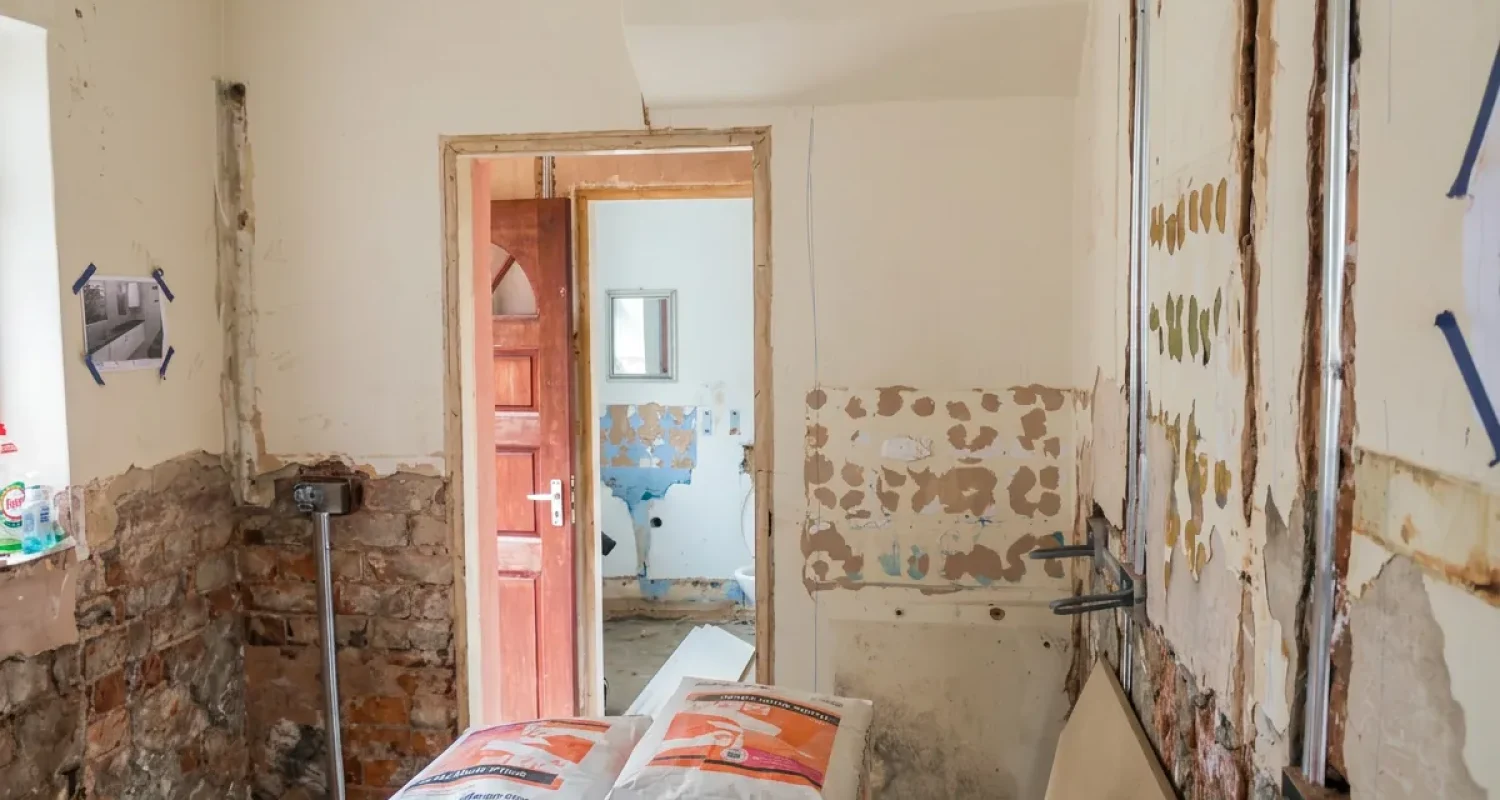
Water damage often creeps in where you least expect it. Sometimes it’s tucked behind walls or beneath floors, quietly building up until there’s a visible stain or a soft patch underfoot. Other times, it shows up right after removing fixtures or opening walls during a home update.
Here are the most common causes we come across during renovations in Birmingham homes:
1. Leaky Roofs
Loose tiles, split guttering or old flashing can all let rainwater in. Even if it doesn’t drip directly into your living space, moisture can soak through the structure gradually. If you’ve noticed water marks at the ceiling edges, the roof might be to blame.
2. Plumbing Issues
Old pipework, poor fittings or unseen leaks can lead to damp spots behind plasterboards and underneath flooring. Renovation often disturbs pipes, especially during bathroom or kitchen work, which can make hidden leaks suddenly obvious.
3. Poor Waterproofing
When wet areas like bathrooms or basements aren’t correctly sealed during a renovation, water can seep into walls or the subfloor. Over time, this can cause warping, mould and peeling finishes.
4. Improper Window and Door Seals
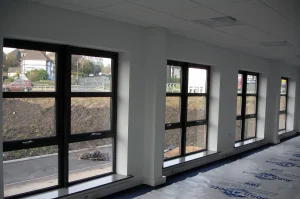
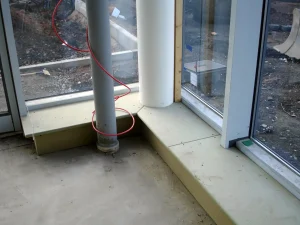
If new windows or doors aren’t sealed well during installation, rainwater can sneak through the gaps. This often results in water pooling at the base of window frames or around skirting boards.
5. Local Weather Conditions
In Birmingham, frequent rainfall combined with older building styles can sometimes make water damage more likely, especially in homes that haven’t been modernised in a while. High moisture levels in the area can also make existing damp spots worse if the source isn’t fixed early.
Renovation projects sometimes uncover these problems midway through. And while it might delay your timeline, dealing with it early gives you the chance to fix it for good. One mistake to avoid is covering it back over and hoping it doesn’t spread.
How To Identify Water Damage Early
The quicker you spot water damage, the easier it is to fix. Even if you’re not actively working on plumbing or roofing, there are visual and textural clues to keep an eye out for during a home update.
Look out for:
– Peeling or bubbling paint and wallpaper
– Musty or damp smells, especially in corners or cupboards
– Discoloured patches on ceilings or upper walls
– Skirting boards that have separated from the wall
– Cracks in plaster, particularly around windows and doors
– Soft or spongy spots in flooring
One practical example is when a homeowner near Moseley started a simple kitchen renovation and noticed the wall behind an old dishwasher looking darker. They found a slow but steady leak that had soaked the wood frame behind the cabinet for months. Thankfully, it was caught during the update and didn’t go any further.
If you’re unsure, there are devices that can help detect moisture behind surfaces. These are often simple handheld meters that show how much dampness is present in plaster, brick or wood. Even without tools, touching the area gently with the back of your hand can sometimes reveal whether it’s cooler or wetter than it should be.
Finding water damage during a home update isn’t the end of the world, but acting quickly means you won’t need to deal with cracked finishes, warped flooring or worse down the line. Checking during each stage of your renovation keeps any surprises manageable. Sometimes it’s as simple as pausing the work to take a closer look.
Effective Solutions to Fix Water Damage
Once water damage is spotted during a renovation, the next step is to act before things get worse. Leaving it for too long can turn a small issue into a bigger problem. Depending on the extent, some damage can be sorted quickly, while other scenarios need a proper investigation and repair plan.
For minor cases like small damp spots or early peeling, it’s best to:
– Dry the area out completely before moving forward with any other work
– Remove damaged wall sections, skirting or flooring if they’ve absorbed moisture
– Use a moisture-resistant sealer or barrier when rebuilding or repainting
– Check the source of the leak before covering anything back up
If large parts of a wall or floor structure have been affected, that’s not something to ignore. It often means water has been sitting there unnoticed for a while. At that point, it’s safer to get a professional involved. Some materials may need to be replaced altogether, especially if there’s mould or rot.
The methods used to fix the issue should suit the space you’re renovating. For example, waterproof boards or membranes might be used for wet areas like kitchens and basements. Bathrooms could need extra sealing around plumbing points, and exterior walls may benefit from special coatings to stop water soaking through brickwork.
Summer is a good time to carry out these repairs because things dry faster. But don’t let the sunshine fool you into thinking a problem’s gone just because a patch has dried up. The source needs fixing or it’ll just pop up again after the next few rainy days.
Preventative Measures During Home Updates
Stopping the water from finding its way in again is just as important as fixing the first signs of damage. When you update your home, it’s the perfect time to build in a few small habits and choices that could save you trouble later on.
Here are a few preventative tips to keep in mind during home renovations in Birmingham:
– Always use waterproof boards and proper sealants in bathrooms, kitchens and basements
– Make sure window edges and door frames are sealed tightly, especially if they face high winds or driving rain
– Consider installing a moisture barrier for areas in contact with the ground, like basements or extensions
– Choose paint and plaster finishes that can tolerate a bit of humidity, not just look good
– Don’t skip plumbing checks if you’re moving water fixtures, walls or floors. Old pipework hiding behind a fresh wall isn’t doing you any favours
– Keep an eye on roof conditions and guttering. Renovating the inside doesn’t help much if water is still getting in from the top
Another solid step is to schedule a visual check of your home once a season. It doesn’t need to be formal. Just walk around and look for fresh stains, smells or damp corners. That bit of routine could help you spot a problem long before it grows.
During renovations, these efforts don’t always feel urgent. But adding just a bit of waterproofing at the right time saves cost and disruption later on. Every layer you build, whether paint, tile, board or brick, should support the one below it, especially where water might try to sneak through.
Knowing When to Seek Professional Help
Some jobs are best left to the experts, especially if walls are opening up or the structure of the house is involved. If an area stays damp no matter what, a deeper issue is probably at play. You’ll want someone with experience to look beneath the surface, determine what’s going wrong and apply lasting repairs.
It’s also useful to get help when:
– Water damage appears in more than one area of the house
– Subflooring, insulation or wooden beams seem affected
– You can’t identify the water source
– You’re updating old plumbing alongside other renovation work
Trying to cover over serious damage or fix it based on guesswork often leads to more repair costs later on. Especially around plumbing and structural elements, getting it wrong means you risk the safety and comfort of your living space. The quicker a real problem is found, the easier it is to fix it right the first time.
For homeowners across Birmingham, local experts are familiar with common housing styles, which materials work well, and how the regional weather plays into damp and water issues. That local knowledge can make a big difference when planning or finishing updates, particularly on older builds or homes that have already had some renovation work done in the past.
Keeping Renovations Dry and On Track
Home renovations in Birmingham bring new life to old spaces, but they also give you the perfect chance to tackle long-standing problems that otherwise go unseen. Water damage is one of those hidden risks that can affect both the building’s structure and your comfort if not sorted out properly.
Watching for small signs and acting on them early is key. From inspecting roof tiles to double-checking new plumbing, every step has the chance to reduce the risk of unexpected moisture creeping in. The goal isn’t just to fix a damp patch or hide a smell. It’s to make sure your home is dry, steady and ready to stand the test of time.
Making smart choices during your home update helps keep the structure strong and the finish looking fresh for years to come. And if anything feels out of place or past your limits, it’s always better to trust those who know what to look for and how to stop the damage before it starts again.
Whether you’re dealing with unforeseen water damage or planning to upgrade your space, understanding the risks and addressing them early is important for a successful renovation. If you’re considering renovations in Birmingham and want to ensure your home stays both stylish and protected from water problems, explore our property refurbishment services. Trust Apple Solutions Ltd to guide you through the process with our expertise and local knowledge.