As 2025 unfolds, homeowners look for innovative ways to update their spaces. This year, renovation trends are all about blending sustainability with smart technology and creating eco-friendly and convenient homes. With a focus on reducing environmental impact, using energy-efficient solutions and sustainable materials has never been more popular.
Beyond being green, homes are becoming smarter and more connected. Smart technology integration offers increased control and efficiency, making everyday tasks simpler. These advancements provide comfort and peace of mind from lighting to climate control.
Another key trend is the design of multi-functional spaces. With lifestyles evolving, homeowners want rooms that can adapt to different needs. Flexible spaces that combine style and practicality are at the forefront. Additionally, biophilic design is gaining traction. By incorporating natural elements like plants and abundant light, homes become sanctuaries that enhance well-being. All these trends point to a future where homes are not only stylish but also cater to the needs of modern living.
Sustainable and Eco-Friendly Upgrades
Making homes more sustainable has become increasingly important. Eco-friendly renovations benefit the environment, help reduce energy costs, and enhance overall living comfort. One popular approach is incorporating eco-friendly materials in the renovation process. Products like bamboo, which grows quickly and is very durable, can be a great choice for flooring or panelling. Cork is another excellent option due to its renewable nature and insulating properties.
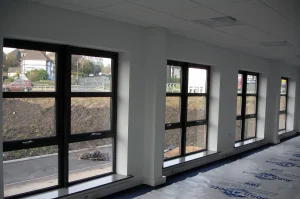
Energy-efficient windows are pivotal in reducing heat loss and keeping homes warm during colder months. Look for double or triple-glazed windows with low-emissivity coatings to help maintain comfortable indoor temperatures. These windows can significantly cut energy costs by limiting the use of heating systems.
Solar panels are another great option for boosting a home’s energy efficiency. They harness the sun’s power, providing renewable energy and savings on electricity bills. Coupling solar panels with battery storage systems allows homeowners to use stored solar energy at night or during cloudy days, maximising this investment.
Reclaimed materials add a unique character while being environmentally conscious. Using reclaimed wood for flooring or feature walls can add warmth and history to a home. Even small elements like reclaimed bricks or tiles can greatly impact your renovation project’s sustainability quotient. By choosing sustainable options, households contribute to environmental health and enhance their living spaces.
Smart Home Technology Integration
Smart home technology is increasingly popular in renovations. It offers convenience, security, and increased energy efficiency. Integrating smart tech into homes involves using smart thermostats, security systems, and connected lighting solutions.
Smart thermostats, such as those offered by brands like Nest or ecobee, allow homeowners to remotely control their heating and cooling systems through smartphones. They learn daily habits and adjust temperatures accordingly, helping save on energy costs.
Security systems have become more advanced, with options like video doorbells and smart cameras providing real-time alerts and monitoring. These systems are highly customisable, giving homeowners peace of mind whether they are at home or away.
Smart lighting systems offer benefits in energy savings and creative ambiance. Products like Philips Hue or LIFX allow users to control lights from their phones, set schedules, and adjust colours for mood lighting.
When integrating smart tech, it’s crucial to ensure that devices are compatible with each other and the existing system. Most smart devices now work with popular platforms like Google Assistant, Amazon Alexa, or Apple HomeKit, making controlling everything from one place easier. Homeowners should consider their needs and choose technologies that provide value and convenience. This integration not only modernises a home but also makes daily life much simpler.
Multi-Functional Spaces Design
Creating multi-functional spaces has become a key trend, especially in smaller homes where every square foot counts. Designing spaces that serve multiple purposes can greatly enhance your home’s usability. One effective approach is to use furniture that can easily transform. For instance, a sofa bed can quickly convert a living room into a guest bedroom. Dining tables with extendable leaves can provide extra seating when needed.
Movable partitions are another smart way to divide spaces without permanent walls. Sliding doors, foldable screens, and even curtains can create distinct areas while maintaining flexibility. These options allow homeowners to reconfigure spaces based on their needs or preferences.
Open-plan living continues to be popular, creating expansive, flowing spaces with interconnected kitchen, dining, and living areas. This design encourages social interaction and allows natural light to spread freely across the space. To maintain functionality and style, focus on zonal furniture arrangements and varied lighting solutions to define spaces without isolating them.
For smaller homes, vertical space is also valuable. Wall-mounted desks and fold-out workstations create practical home offices without sacrificing room. By focusing on adaptability and efficient use of space, homeowners can enjoy a home that changes with their lifestyle, making everyday living both practical and enjoyable.
Biophilic Design Elements
Incorporating nature into home design through biophilic elements is gaining traction. Biophilic design involves the use of natural materials, light, and vegetation to foster a connection between indoors and the natural world. This approach not only enhances the beauty of a home but also improves mood and wellness.
Adding indoor plants is a simple yet effective way to introduce biophilic elements. They purify the air, add freshness, and introduce calming effects. Choose low-maintenance plants like succulents, ferns, or snake plants, which thrive in various lighting conditions.
Maximising natural light is another biophilic principle. Consider installing larger windows, skylights, or glass doors to increase light flow. Light shelves and strategically placed mirrors can also help bounce natural light deeper into living spaces.
Incorporating water features like small indoor fountains can add a tranquil touch and mimic the soothing sounds of nature. Textures that mimic nature, such as wood, stone, or rattan, create a tactile connection to the outdoors. By blending natural elements with indoor spaces, homes become more beautiful, healthier, and more energised environments.
Conclusion
Implementing these renovation trends can transform a home into a more efficient, stylish, and harmonious space. Each approach offers unique benefits that cater to different needs and preferences. Sustainable upgrades reduce environmental impact and add long-term savings while incorporating smart technology enhances everyday convenience and security. Creating multi-functional spaces ensures your home is adaptable to changing lifestyles, and biophilic elements bring a natural calm and vitality indoors.
Ready to transform your home with these Birmingham renovations? Apple Solutions Ltd is here to guide you every step of the way, whether you need help with sustainable upgrades or integrating the latest smart technologies. Our expert team will make your renovation journey smooth and successful. Contact us today for a consultation, and let’s create a space that you’ll love for years to come!